Understanding the Most Popular Building Materials in Indonesia
Business Inspo
In the world of construction, choosing building materials is not merely a matter of price or availability. In Indonesia, factors such as the tropical climate, geographical conditions, local construction habits, and building regulations significantly influence the types of materials used. This is why certain materials have become dominant, continually used in everything from simple residential projects to large-scale commercial buildings.
This article will discuss the most widely used building materials in Indonesia, complete with their characteristics, functions, and the reasons why these materials remain popular and relevant to this day.
About Concrete: The Backbone of Modern Construction
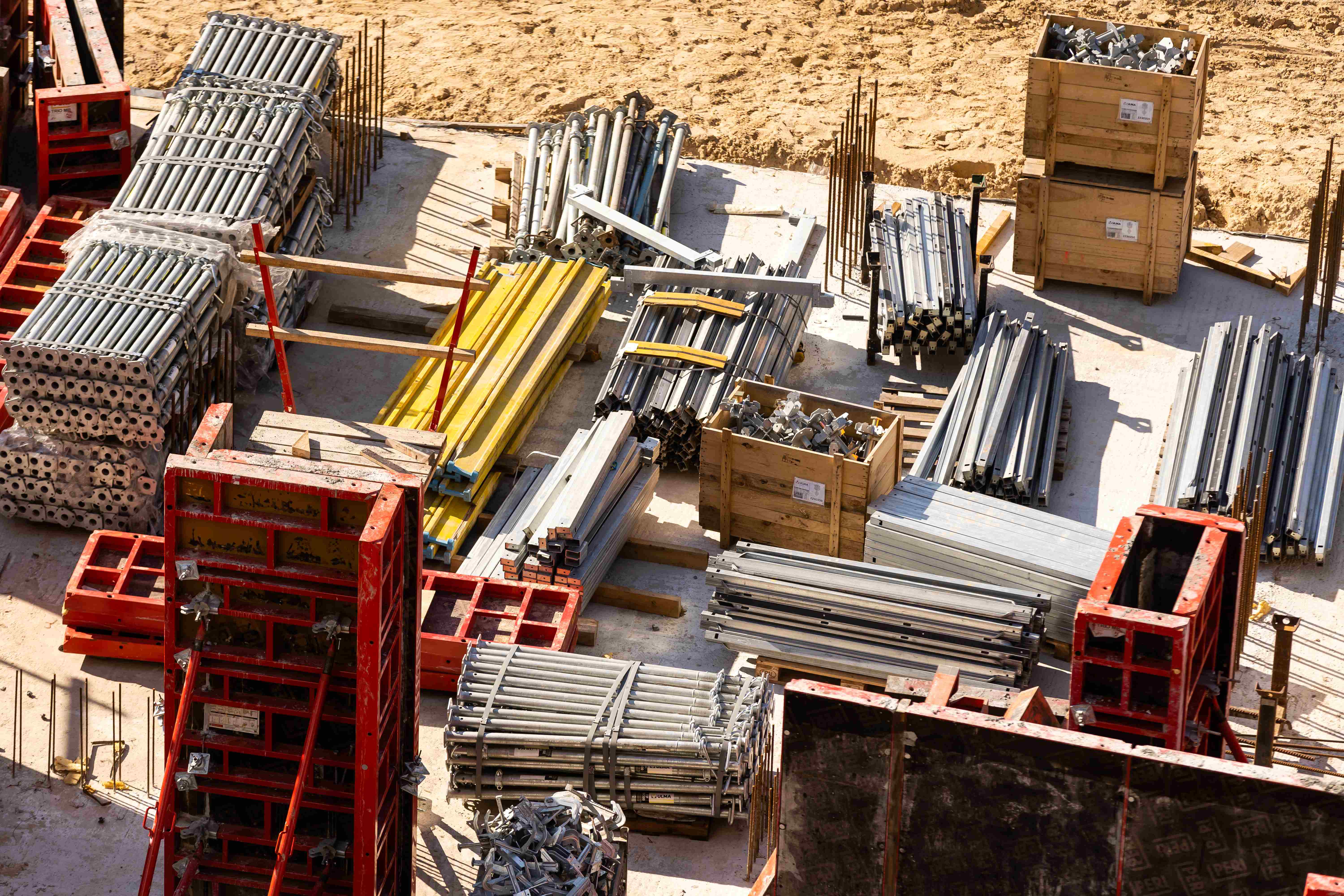
Concrete is the most common construction material found in Indonesia. Almost every type of building—ranging from residential houses, office buildings, and shopping centers to public infrastructure—relies on concrete as its primary structure. The popularity of concrete stems from its strength in resisting compressive loads, its durability against the tropical climate, and its versatility in application.
In Indonesia, concrete is generally used in the form of reinforced concrete, which is concrete combined with steel reinforcement bars (rebar). This combination allows building structures to balance both compressive and tensile forces, making them safer against heavy loads and seismic activity. Furthermore, concrete materials are relatively easy to produce locally because the raw materials are widely available.
Steel: Strong Material for Efficient Structures
Steel has become a vital material in modern construction, especially for high-rise buildings, warehouses, factories, and wide-span structures. Compared to concrete, steel possesses very high tensile strength with a lighter weight. This allows for the planning of slimmer and more efficient structures.
In Indonesia, steel is widely used for roof trusses, columns, beams, and the primary structures of commercial buildings. In addition to its strength, steel is valued for its precision as it is factory-fabricated. From a construction timeline perspective, using steel can accelerate the building process because installation is relatively fast and minimizes "wet work" on-site.
Bricks and Concrete Blocks: The Still-Dominant Wall Materials
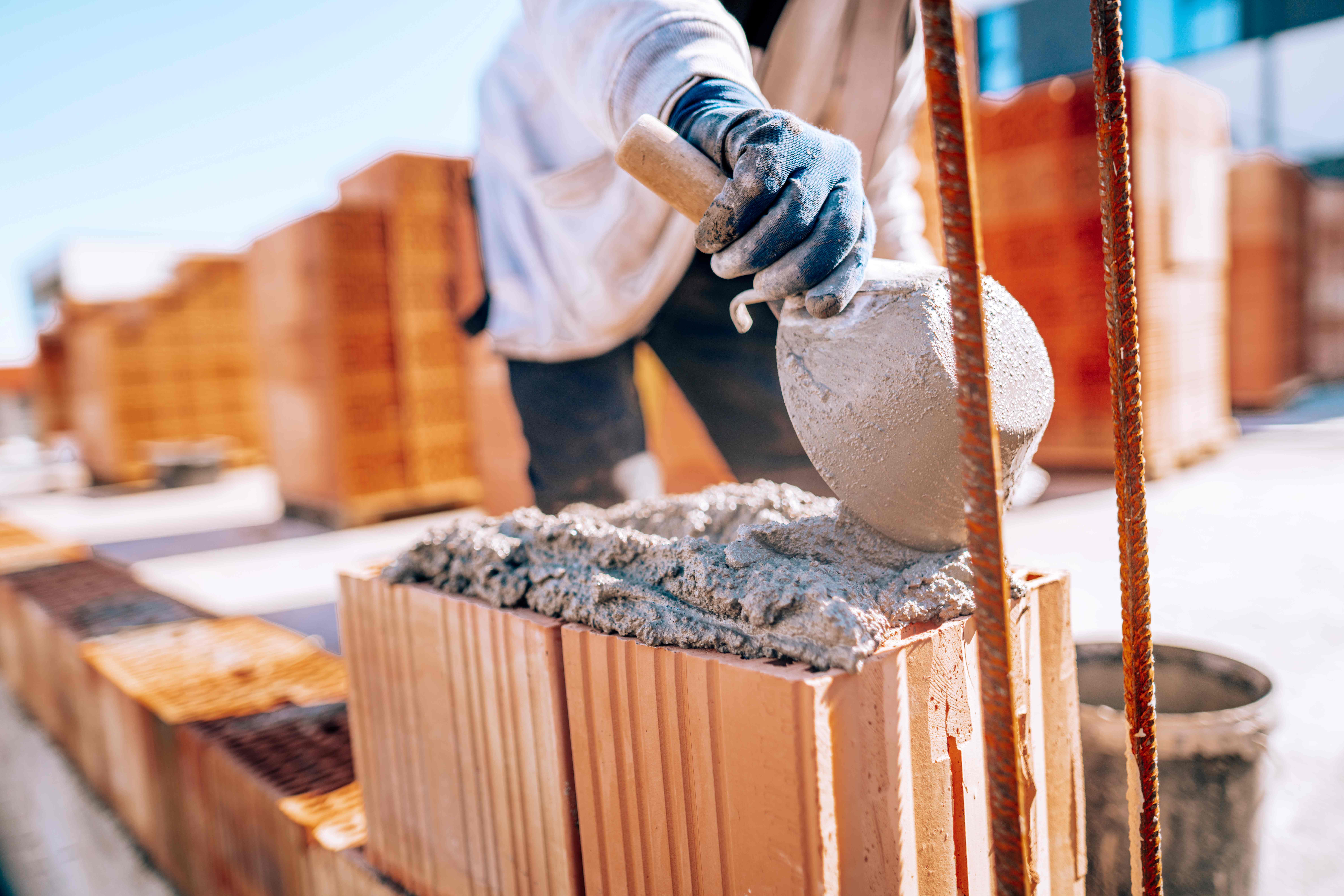
Although construction technology continues to evolve, red bricks and concrete blocks remain the favorite materials for building walls in Indonesia. Red bricks are known for their good durability, ease of acquisition, and ability to provide thermal comfort to a building. Meanwhile, concrete blocks are popular due to their larger size and faster installation process.
Both materials are frequently used in residential buildings and small-to-medium-scale commercial buildings. Besides being relatively affordable, local builders in Indonesia are already very accustomed to working with bricks and blocks, making the construction process more efficient and minimizing errors.
Wood: Traditional Material That Remains Relevant
Wood is one of the oldest building materials in Indonesia and is still used today, particularly in residential houses, traditional buildings, and interior elements. The lightweight, flexible, and easily shaped character of wood makes it ideal for door frames, doors, roof trusses, and decorative elements.
In several regions, wood is also chosen for its ability to adapt to the tropical climate. However, the use of wood is becoming increasingly selective due to sustainability issues and forestry regulations. Consequently, processed wood and certified timber are starting to be used more widely to ensure environmental preservation.
Sand and Cement: The Irreplaceable Base Materials
Sand and cement are fundamental materials that are almost always present in every construction project in Indonesia. Both are the main components in making concrete, plaster, and masonry. The quality of sand and cement strictly determines the overall strength and durability of a building.
Local sand with specific characteristics is chosen according to needs, whether for structural or finishing purposes. Meanwhile, cement is used as a binding agent that provides strength and stability to various building elements. The abundant availability of these materials makes them the primary choice in conventional construction.
Ceramics and Floor Coverings: Aesthetics and Function
For the finishing stage, ceramics are the most widely used material for floor and wall coverings. Ceramics are chosen because they are easy to clean, resistant to moisture, and available in various designs. In a tropical climate like Indonesia, ceramics also help keep room temperatures cool.
Besides ceramics, other materials such as granite and decorative cement tiles (tegel) are also gaining popularity, especially in commercial buildings and middle-to-upper-class housing. Nevertheless, ceramics remain the top choice due to the balance between price, quality, and durability.
Why Do These Materials Dominate Construction in Indonesia?
The dominance of certain building materials in Indonesia does not happen without reason. Factors such as local availability, production costs, ease of workmanship, and compatibility with the tropical climate are primary considerations. Furthermore, construction standards and on-site work habits play a significant role in determining the most frequently used materials.
Materials such as concrete, steel, and bricks have been technically and economically proven, making them a safe choice for many construction players. As technology advances, new materials may become increasingly popular; however, these conventional materials will remain the main foundation of development in Indonesia for a long time.
Understanding the most widely used building materials in Indonesia is the first step toward planning construction that is appropriate, efficient, and sustainable. Every material has its own characteristics and functions, so the selection must be adjusted to the building's needs, budget, and environmental conditions.
With the right material selection, the development process not only becomes more efficient but also results in structures that are strong, safe, and comfortable for the long term. If you plan to build or develop a property and want to choose the best and safest materials for your property, consult with AMODA now.
Tag:


Tertarik Baca Artikel Lainnya?

AMODA Case Study: Renovasi Resort di Pulau Terpencil Tanpa Hentikan Operasional Bisnis
Business Inspo

Berencana Bangun Lapangan Padel, Tenis, hingga Mini Soccer? Rahasia Membangun Venue Agar Cepat Balik Modal
Business Inspo

Toilet Modular vs Toilet Portable: Mana yang Tepat untuk Proyek, Tambang, dan Tempat Wisata?
Business Inspo