
Essential Requirements for Constructing Commercial Buildings in Indonesia
Business Inspo
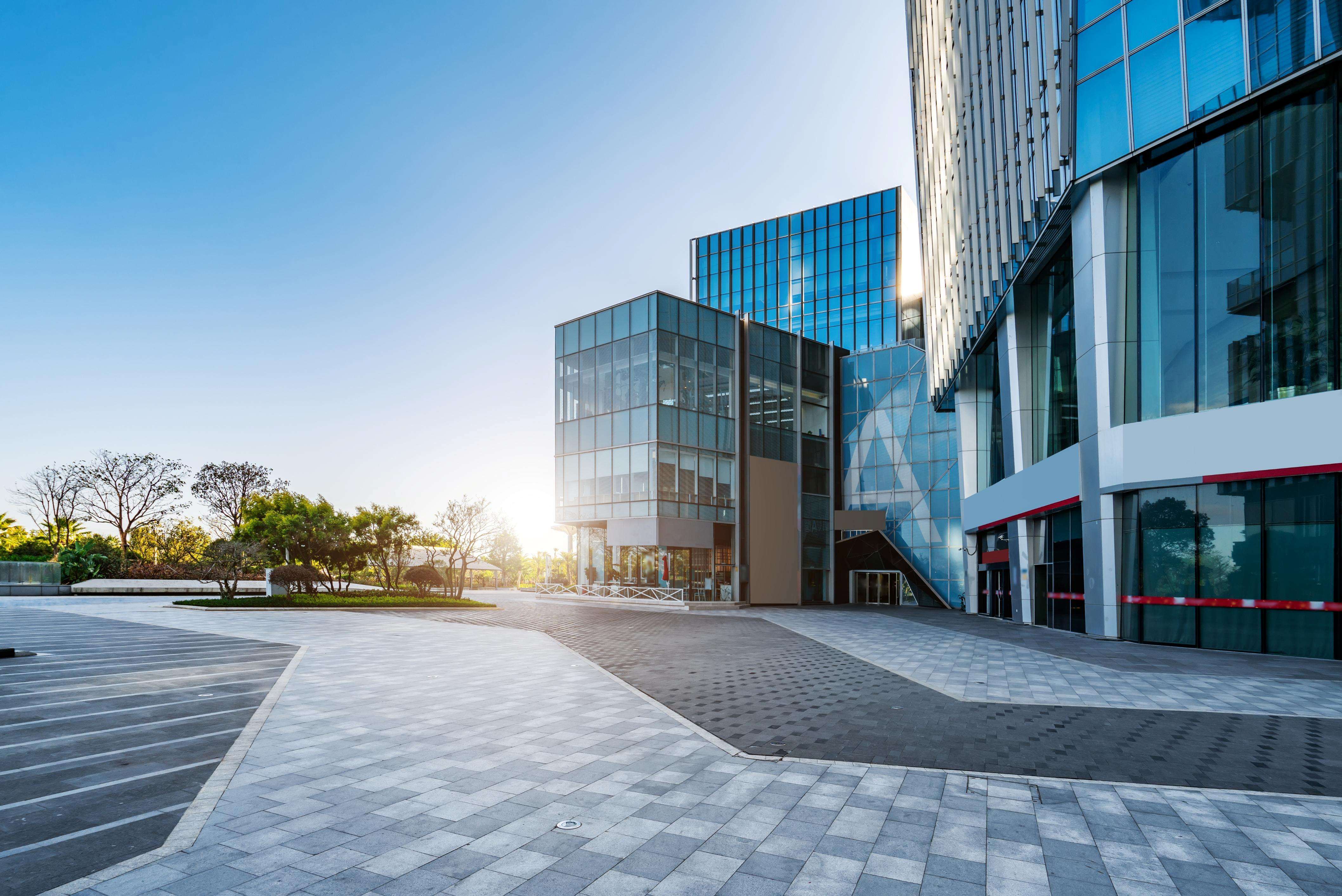
Building a commercial structure in Indonesia is a process that requires meticulous planning. Unlike residential homes, buildings intended for business activities are subject to stricter regulations, permits, and technical standards. From licensing aspects and building functions to compliance with spatial planning and safety protocols, everything is clearly governed by government regulations.
Understanding the requirements for constructing a commercial building from the outset is vital to ensure the project runs smoothly, avoids legal sanctions, and remains safe for long-term use. This article will discuss the regulatory definition of commercial buildings, the mandatory permits required, and how these requirements differ from residential buildings.
What Defines a Commercial Building Under Indonesian Regulation?
In general, a commercial building is defined as a structure used for business or economic activities aimed at generating profit. Under national regulations, building functions are categorized based on their utilization, specifically under the "business" or commercial classification.
Examples of commercial buildings include corporate offices, retail blocks, shopping centers, hotels, restaurants, cafes, warehouses, paid sports facilities, and light industrial buildings. These structures possess specific characteristics because they are accessed by the public and have a potential impact on the surrounding environment.
Due to this function, commercial buildings are required to meet more complex administrative and technical requirements, such as fire safety standards, public accessibility, utility systems, and alignment with regional spatial plans. The goal is to ensure the building is safe, functional, and does not negatively impact the community or the environment.
Mandatory Permits for Constructing Commercial Buildings
One of the primary requirements for building a commercial property is complete licensing. Currently, building permits have been adjusted to a digital, integrated risk-based licensing system.
Some of the essential permits and documents generally required include:
First, Spatial Utilization Suitability. The property owner must ensure that the construction site aligns with the zoning and land use designated in the regional spatial plan.
Second, Building Approval (PBG). This is the primary requirement before construction begins. This document certifies that the building plan meets the technical and administrative standards for its commercial function, replacing the previous building permit system.
Third, Business Licensing via the Online Single Submission (OSS) System. This permit is directly related to the specific type of business activity that will be conducted within the building.
Fourth, Environmental Impact Assessments. This includes environmental management and monitoring plans, particularly for medium to large-scale commercial buildings that have a potential environmental footprint.
Without these permits, the construction of a commercial building risks being halted, fined, or even demolished by the authorities.
How Do Commercial and Residential Building Requirements Differ?
The most fundamental difference between commercial and residential buildings lies in their function and risk level. While residential buildings are used for private living quarters, commercial buildings are used for business activities involving the public.
From a licensing perspective, commercial buildings require more complex permits, including business operational licenses and environmental documents, whereas residential buildings generally only require a standard approval for residential use.
Technically, commercial buildings must meet stricter safety standards, such as advanced fire protection systems, designated evacuation routes, higher structural load capacities, and supporting facilities for visitors. Residential buildings have relatively simpler technical standards due to their lower activity and risk levels.
Additionally, commercial buildings must comply with business zoning laws, operational hours, and traffic impact assessments, while residential buildings focus more on the comfort and safety of the occupants.
Developing a commercial building in Indonesia requires a sophisticated understanding of regulations, licensing, and building functions. By fulfilling all requirements starting from the planning phase, owners and developers can ensure their projects remain safe, legal, and sustainable.
Complying with regulations is not just a legal obligation; it is a long-term investment in safety, business reputation, and smooth operational flow. Looking to consult on building permits before starting your project? You can consult with AMODA while designing your building project.
Tag:


Tertarik Baca Artikel Lainnya?

AMODA Case Study: Renovasi Resort di Pulau Terpencil Tanpa Hentikan Operasional Bisnis
Business Inspo

Berencana Bangun Lapangan Padel, Tenis, hingga Mini Soccer? Rahasia Membangun Venue Agar Cepat Balik Modal
Business Inspo

Toilet Modular vs Toilet Portable: Mana yang Tepat untuk Proyek, Tambang, dan Tempat Wisata?
Business Inspo