F&B Expansion: Tips for a Faster Outlet Opening
Business Inspo
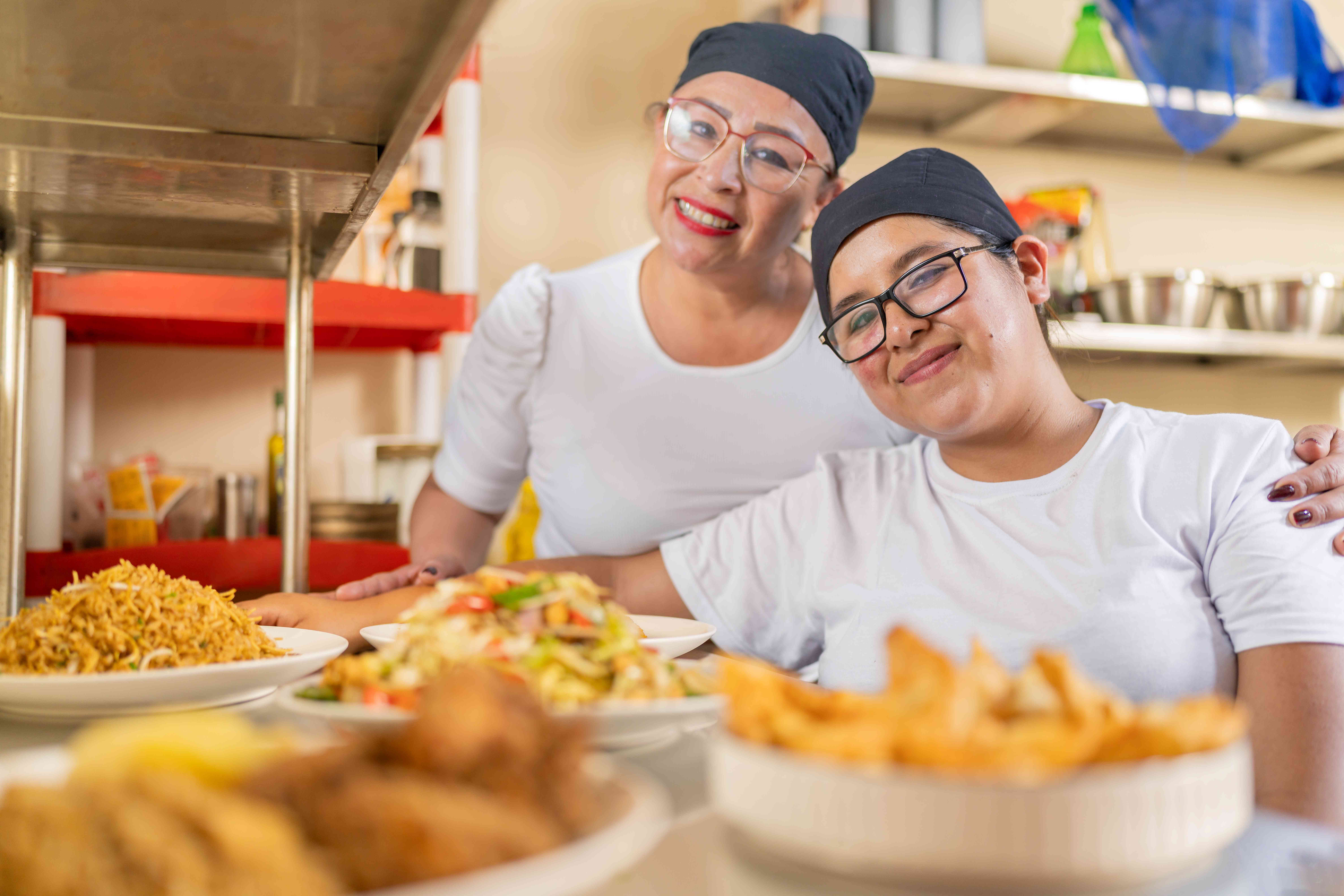
The Food & Beverage (F&B) industry in Indonesia continues to experience rapid growth. Many entrepreneurs are racing to open new outlets to capture an ever-expanding market share. However, launching an F&B outlet requires more than just a great idea—you need a fast, targeted, and efficient strategy to ensure your outlet becomes operational and profitable as quickly as possible.
This article explores essential tips and rapid strategies for opening an F&B outlet, covering industry opportunities, location research, menu development, and construction.
The Massive Potential of the F&B Business in Indonesia
The culinary business in Indonesia is remarkably resilient. Even amid economic fluctuations, F&B remains one of the most stable industries. Key factors driving this potential include:
A. Strong Consumer Snacking Culture
Indonesian society has a deeply ingrained culinary culture. Socializing, snacking, and dining out have become essential parts of the modern lifestyle.
B. Rapid Growth of Delivery and Online Food Services
Platforms like GoFood, GrabFood, and ShopeeFood allow F&B businesses to reach customers effectively without requiring a massive physical footprint.
C. Constant Flow of New F&B Trends
From contemporary coffee and dessert boxes to rice bowls and viral beverages—the continuous emergence of trends provides ample space for new players.
D. Broad and Diverse Market
From the middle-upper class to students and professionals, every segment has distinct and ever-evolving culinary needs.
With these significant opportunities, many entrepreneurs are eager to open outlets quickly to capitalize on the market momentum.
Core Challenges in Rapid F&B Expansion
Despite the immense opportunities, the process of opening an F&B outlet is often hindered by the following challenges:
Prolonged construction timelines due to unreliable contractors.
Poor site selection, leading to lower-than-expected foot traffic.
Overly complex menus, resulting in operational inefficiency.
Permitting and legal delays, which can stall an opening for weeks.
Uncoordinated procurement of equipment and raw materials.
These challenges can delay an opening by 1–3 months beyond the original plan. This is why a well-executed strategy is essential from the outset.
Strategic Location Research for F&B Outlets
Location is the most critical factor in F&B success. Even a simple concept can thrive if it is situated in the right spot.
Tips for strategic location research:
1. Observe Foot Traffic
Monitor the volume of people passing by during peak hours, weekends, and evenings.
2. Align with the Target Market
Coffee shops thrive near campuses, offices, and coworking spaces.
Family-oriented dining is best suited for residential areas.
Take-away concepts are ideal for high-traffic roadsides.
3. Analyze the Competition
Competitors are not always a threat—their presence often signals a proven and high-potential market.
4. Prioritize Parking and Access
Ample parking and ease of access significantly increase the likelihood of customer conversion.
5. Seek Utility-Ready Sites
Look for locations with existing infrastructure, such as adequate electricity, water lines, and kitchen ventilation. The right location can accelerate the set-up process by up to 30%.
Early-Stage Legal and Permit Readiness
Many F&B businesses face opening delays because permits are only handled after construction is nearly complete.
Essential legalities to prepare early:
Business Identification Number
Hygiene and Sanitation Certificates (for food safety)
Local Operational Permits
Environmental Impact Permits (if required)
Halal Certification (optional, but increasingly vital)
Handling all legalities from the start ensures the opening process proceeds without obstacles.
Developing a Focused and Executable Menu
A common mistake among F&B owners is creating an oversized menu. This leads to:
Kitchen inefficiency
Longer service times
Excessive raw material inventory
Higher operational costs
How to develop a fast and effective menu:
1. Curate the Selection
It is better to offer 8–15 high-quality items than 30 confusing ones.
2. Opt for Operational Simplicity
Use shared base ingredients across multiple products to optimize inventory management.
3. Implement Standard Operating Procedures (SOPs)
With clear SOPs, new employees can be trained to work faster and maintain quality.
4. Focus on Signature Items
Give the outlet a unique identity and a compelling reason for customers to return. A well-planned menu ensures operational stability from day one.
Choosing an Efficient and Reliable Construction Vendor
Physical construction is often the primary bottleneck in opening an outlet.
Conventional methods can take 4–12 weeks or more. Consequently, many F&B owners are shifting toward modular buildings or rapid-build systems.
Tips for selecting the best construction vendor:
1. Choose Vendors with F&B Expertise
Kitchens and dining areas have specific requirements, such as specialized ventilation and grease trap systems.
2. Demand Realistic Timelines
Trusted vendors provide a clear, transparent, and fixed schedule.
3. Consider Modular Systems
Advantages of modular construction:
50–70% faster turnaround time
High-precision finishing and quality
Relocatable and scalable for future expansion
Minimal on-site disruption
Ideal for take-away or compact dine-in concepts
4. Review Portfolios and Testimonials
Ensure the vendor has a proven track record and positive client feedback.
5. Opt for Design + Build Services
This is far more efficient than hiring separate architects, contractors, and interior designers.
With the right vendor, your F&B outlet can be ready for its grand opening in just a few weeks. For a seamless experience, you can consult with AMODA to bring your F&B vision to life.
Tag:


Tertarik Baca Artikel Lainnya?

AMODA Case Study: Renovasi Resort di Pulau Terpencil Tanpa Hentikan Operasional Bisnis
Business Inspo

Berencana Bangun Lapangan Padel, Tenis, hingga Mini Soccer? Rahasia Membangun Venue Agar Cepat Balik Modal
Business Inspo

Toilet Modular vs Toilet Portable: Mana yang Tepat untuk Proyek, Tambang, dan Tempat Wisata?
Business Inspo