Common Construction Mistakes in Indonesia and How to Avoid Them
Business Inspo
Jan 28, 2026
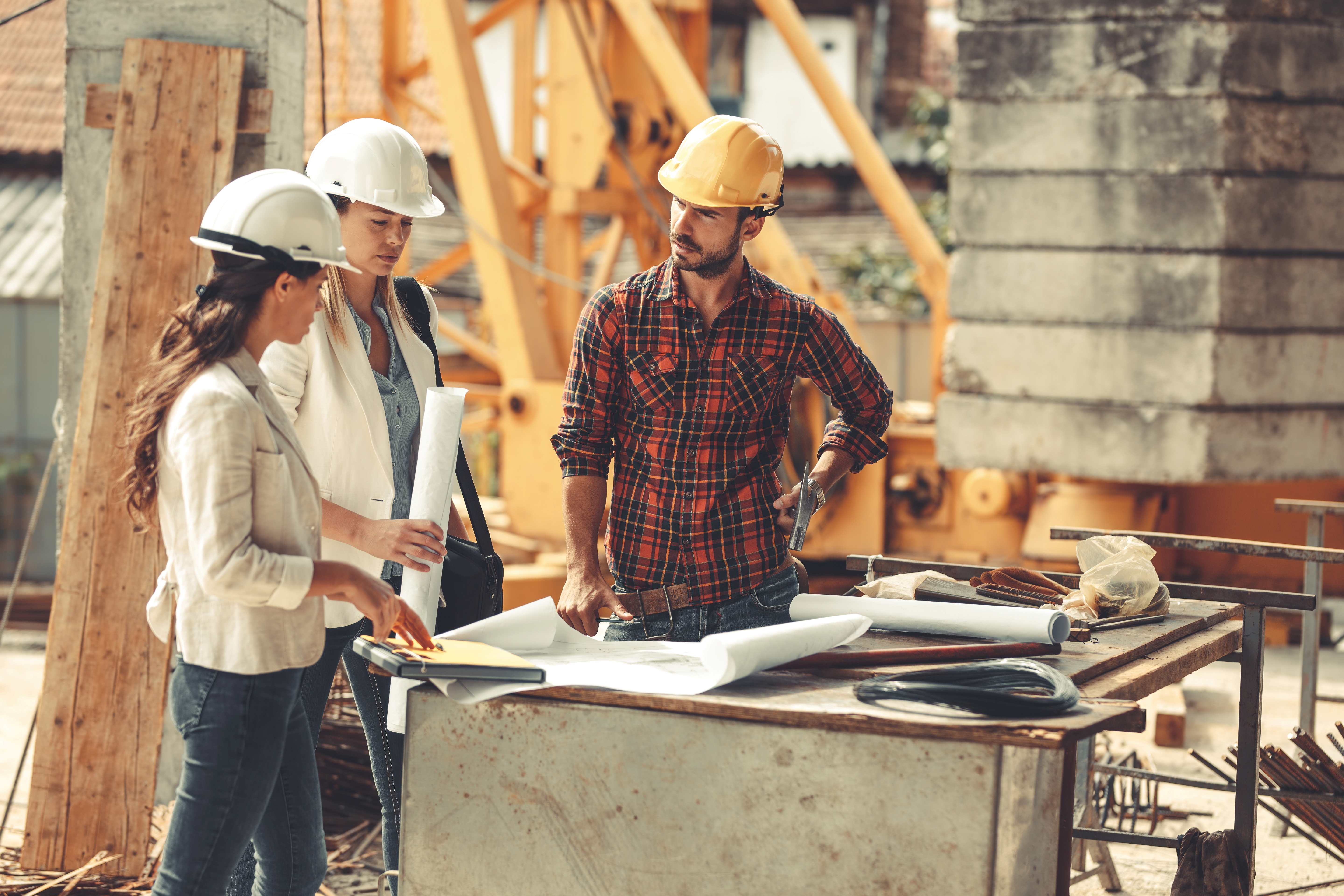
The construction industry in Indonesia continues to develop rapidly. From the construction of private houses, shophouses, and warehouses to large-scale commercial projects, all are experiencing significant growth. However, behind this development, there are still many construction errors that occur and are often repeated—whether due to a lack of planning, negligence, or the selection of inappropriate executing parties.
To avoid falling into the same traps, let's examine the common construction mistakes that frequently occur in Indonesia and how to avoid them.
An Overview of the Construction Industry in Indonesia
The Indonesian construction industry is one of the most vital sectors for national economic growth. The development of infrastructure, housing, commercial buildings, and public facilities continues to increase year over year. Some of the main characteristics of the Indonesian construction industry today are:
A. Constantly increasing demand
Population growth, urbanization, and industrial development have caused the demand for construction to rise sharply.
B. Dominance of small-to-medium scale businesses
The majority of projects are carried out by local contractors with varying capacities.
C. Uneven standardization
Not all construction players understand proper quality standards, leading to inconsistent project results.
D. Minimal supervision
Many projects run without adequate professional supervision, especially residential projects and small buildings.
These conditions make the risk of construction errors quite high, particularly in projects where planning is not mature.
Why Do Construction Errors Still Frequently Occur?
Errors in construction projects are generally not caused by a single factor, but a combination of several:
Lack of project owner education
Project owners often do not understand the construction process, making them easily deceived by contractors offering unrealistically low prices.
Limited access to experts
Not all projects utilize the services of architects, civil engineers, or professional supervisors.
Budgets pressed too low
Owners sometimes force construction with a minimum budget, causing quality to be sacrificed.
Weak supervision systems
Projects without periodic supervision are more prone to technical negligence.
Minimal use of technology
Many contractors still rely on manual methods without the aid of planning software or modern technical testing.
As a result, construction errors are often repeated and can cause long-term losses.
1. Immature Planning
This is the most common mistake that occurs in almost all construction projects.
Impacts of poor planning:
Cost overruns (over budget)
Work completion delays
Design incompatibility with needs
Sub-optimal building structure
Re-work that adds unnecessary costs
Examples of problems due to immature planning:
Not taking structural loads into account (e.g., wanting to add floors in the future).
Interior design not in accordance with spatial function.
The absence of complete shop drawings.
Failing to create a clear Bill of Quantities (BoQ).
2. Ignoring Soil Tests and Site Conditions
Many construction projects in Indonesia start immediately without a prior soil investigation. In fact, soil conditions greatly determine structural strength.
Risks if soil tests are ignored:
Foundations easily crack or sink
Buildings tilt or experience soil subsidence
Cracked walls
Long-term structural damage
Soil types in Indonesia are very diverse: peat soil, clay, sand, and even reclaimed marshland. Each type of soil requires a different foundation technique.
Soil test borings to determine soil bearing capacity
SPT (Standard Penetration Test)
Analysis of land elevation and contours
With a soil test, contractors can determine the right type of foundation (e.g., footplat, mini pile, bore pile, etc.).
3. Inappropriate Contractor Selection
Choosing a contractor based solely on the cheapest price is a major mistake that often happens.
Risks of unprofessional contractors:
Work results not up to standard
Slow progress and missed deadlines
Difficult communication
Materials replaced with lower quality
No work warranty
Many cases of buildings being damaged in just a matter of months occur because they were handled by inexperienced contractors.
How to choose the right contractor:
Check previous project portfolios
Look at customer reviews or testimonials
Ensure clear legal standing
Ask about the timeline and work methodology
Choose one that provides a work warranty
Ensure the work contract is written clearly and in detail
4. Use of Substandard Materials
To chase cheap prices, many projects use low-quality materials that do not suit structural needs.
Case examples:
Reinforcement steel smaller than the standard
Excessive sand-to-cement ratios
Thin-gauge steel roofs that dent easily
Low-quality ceramics or paint
Water pipes prone to leaking
The impact is fatal because it affects the strength and lifespan of the building.
Solution:
Use materials that meet SNI
Request material purchase receipts from the contractor
Conduct quality checks on-site
Don't just focus on price, but on durability
Good material does not necessarily mean expensive, but rather appropriate for the structural needs. Want to learn more about building construction? Consult with AMODA to ensure your project suits your specific needs today.
Tag:


Tertarik Baca Artikel Lainnya?