Modular Pop-Up Stores as Business Assets, Not One-Time Expenses
Business Inspo
Jan 28, 2026
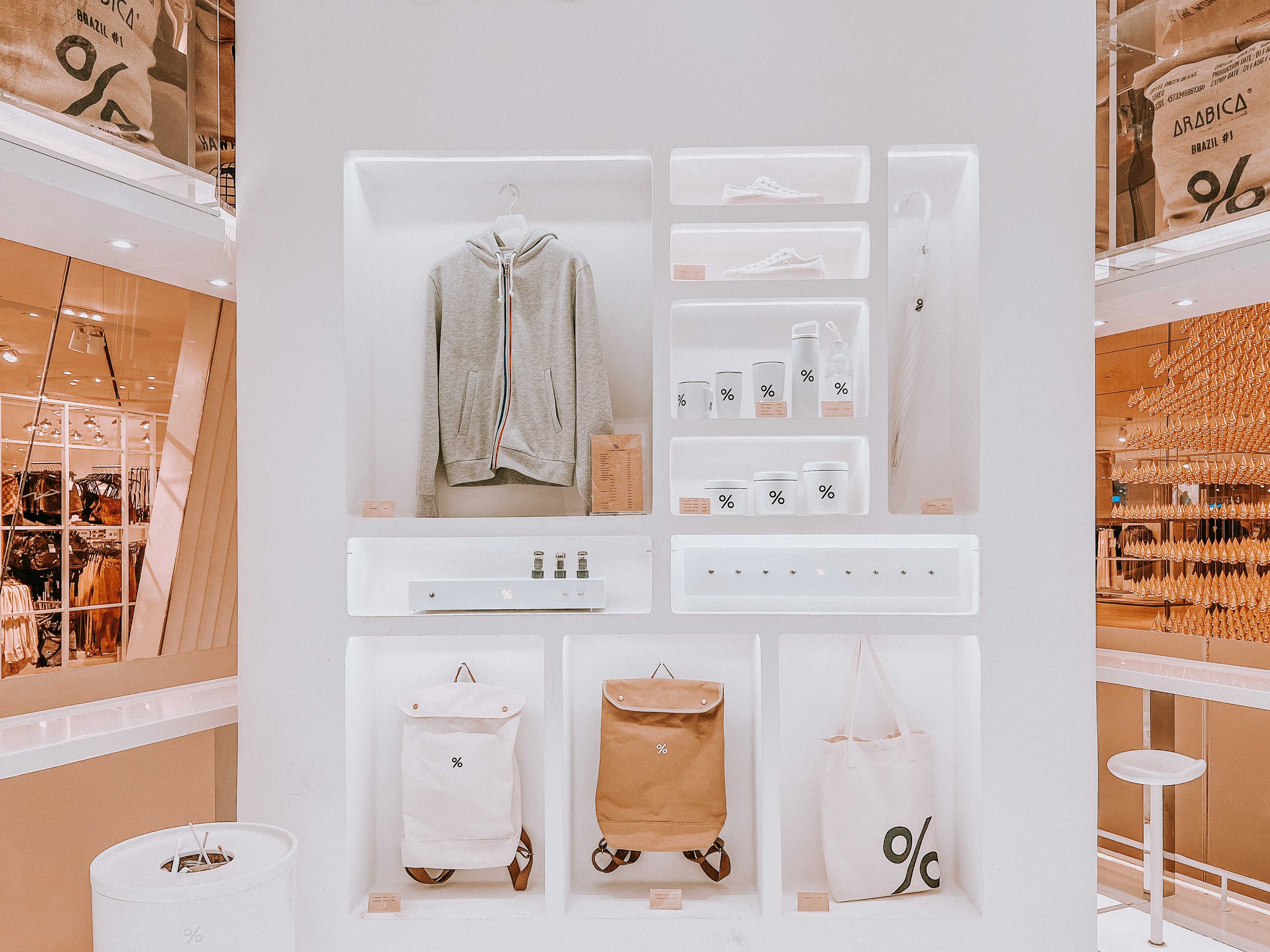
In recent years, pop-up stores have become one of the most widely used strategies by brands across various industries. From retail, fashion, and F&B to lifestyle and technology brands, pop-up stores are considered an effective way to connect directly with consumers. Their temporary nature is precisely what makes them attractive, offering exclusive experiences that differ from permanent retail stores.
However, behind their popularity lies an important question: are pop-up stores merely marketing expenses, or can they actually become long-term business assets? This is where the concept of modular pop-up stores emerges as a smarter and more sustainable investment solution.
The Rise of Pop-Up Stores in Marketing and Brand Expansion Strategies

Pop-up stores developed as a response to brands’ need to move quickly and adaptively. By opening temporary stores in strategic locations, brands can test new markets, introduce products, build awareness, and create more personal consumer experiences.
This strategy is highly relevant in today’s dynamic era, where consumer behavior continues to evolve and brands are expected to be closer, faster, and more flexible. Pop-up stores allow brands to “be present now” without committing to long-term leases like permanent retail spaces.
For expanding brands, pop-up stores often serve as a preliminary step before opening permanent outlets. For established brands, they function as platforms for seasonal campaigns, collaborations, or brand activations. It is no surprise that pop-up stores have become an essential part of marketing and business growth strategies.
Introducing Modular Pop-Up Stores as an Investment Solution
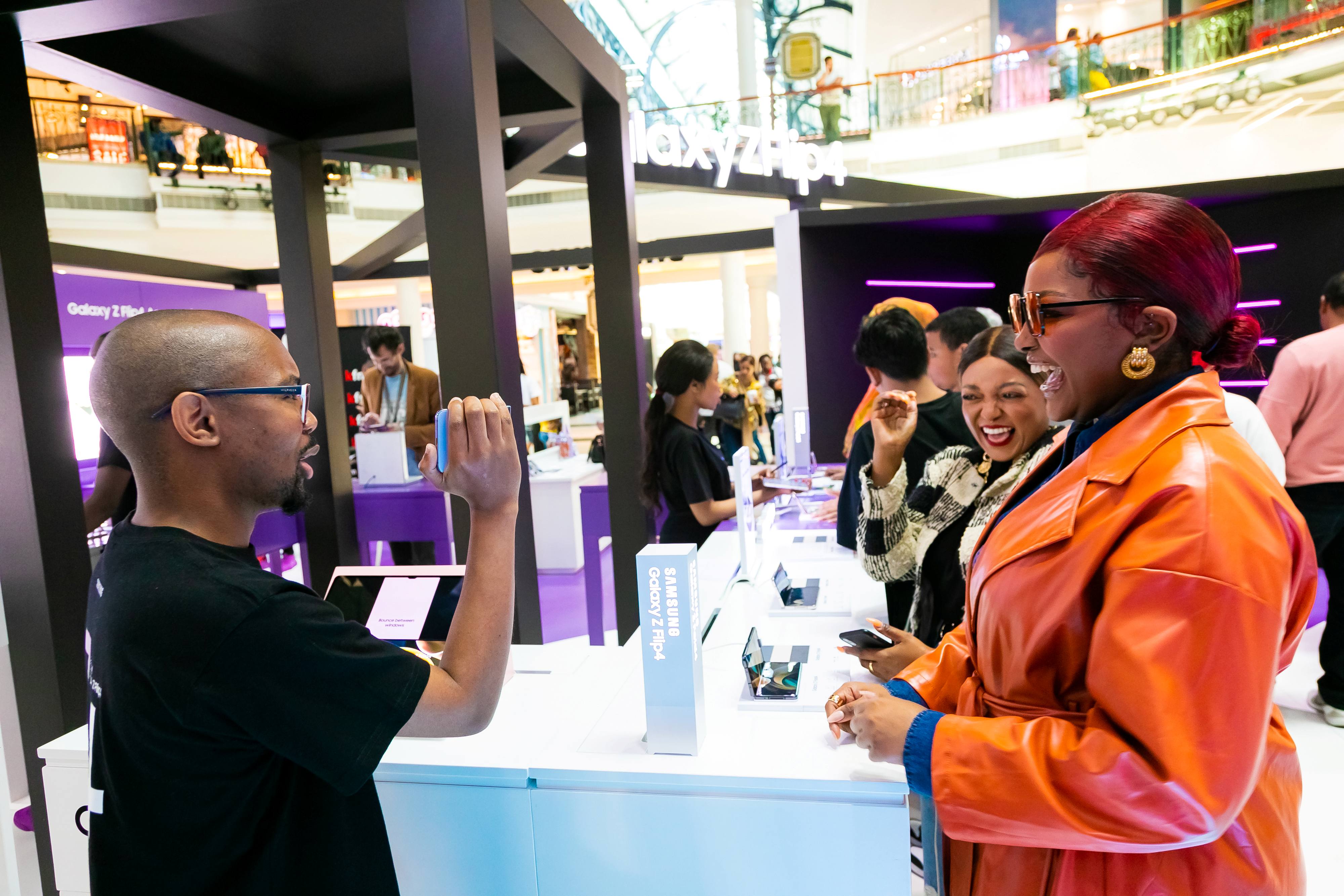
Although effective from a marketing perspective, many pop-up stores are still built using conventional approaches: designed for a single event, a single location, then dismantled and never reused. In the short term, this may seem practical. However, from a business standpoint, the costs often fail to generate long-term value.
Modular pop-up stores aim to change this perspective. The modular concept allows pop-up stores to be designed as building units that can be dismantled, relocated, and reused across multiple locations and events. With this approach, pop-up stores are no longer just marketing expenses but physical assets that can be utilized repeatedly.
Instead of building from scratch for every event, brands can make a one-time investment in a modular pop-up store that can be continuously adapted to future campaign needs.
The Temporary Nature of Conventional Pop-Up Stores and Booths
Conventional pop-up stores and booths are typically designed for short-term use. Built for brief durations, their designs often do not consider reusability. After the event ends, booths are dismantled, and much of the material cannot be reused efficiently.
This situation creates several challenges. Production costs must be incurred repeatedly, preparation timelines always restart from zero, and material waste becomes a growing concern. From a branding perspective, constantly changing designs can also make it difficult to maintain brand consistency.
These factors have led many brands to question the effectiveness of conventional pop-up stores, especially when used regularly as part of annual marketing strategies.
What Is a Modular Pop-Up Store?
A modular pop-up store is a structure or booth designed using a modular system. Each module is produced with specific dimensions and specifications, allowing it to be assembled, dismantled, and reconfigured easily. This system enables a single pop-up store to be used across various locations without compromising its functionality or visual identity.
Modular does not mean rigid or limited. On the contrary, modular design offers high flexibility in spatial layout, size adjustments, and branding element modifications. In practice, modular pop-up stores can be used for indoor and outdoor events, exhibitions, shopping centers, and public spaces.
Key Differences from Conventional Booths or Pop-Ups
The most fundamental difference between modular pop-up stores and conventional booths lies in their intended purpose. Conventional booths are generally designed for one-time use, whereas modular pop-up stores are built from the outset for repeated usage.
Structurally, modular systems use strong and precise knock-down mechanisms, ensuring stability even after frequent assembly and dismantling. From a design standpoint, visual elements such as panels, signage, and finishes are created to be easily replaced or adapted for different campaigns.
Another major difference is cost perspective. Conventional booths are typically treated as operational expenses, while modular pop-up stores are better viewed as asset investments.
The Investment Advantages of Reusable Pop-Up Stores
From an investment standpoint, the advantages of modular pop-up stores become even clearer. While the initial cost may appear higher than a simple booth, the value does not end after a single use. The more frequently a modular pop-up store is utilized, the lower the actual cost per event becomes.
Additionally, modular systems save time and resources. Faster installation processes enable brands to respond more quickly to market opportunities. Design consistency across locations also strengthens brand identity, ensuring each pop-up presence delivers stronger branding impact.
In the long term, modular pop-up stores help brands manage marketing budgets more efficiently while reducing material waste and supporting more sustainable business practices.
Pop-up stores are no longer just temporary marketing tools. With a modular approach, they can transform into reusable, flexible, and long-term business assets. In an increasingly dynamic market environment, this concept offers a solution for brands seeking rapid growth without sacrificing efficiency and consistency.
For brands that regularly participate in events, conduct activations, or expand into multiple locations, modular pop-up stores are not merely a design choice—they represent a smart investment strategy. Interested in turning a modular pop-up store into one of your business assets? Consult with AMODA today.
Tag:


Tertarik Baca Artikel Lainnya?