Modular Employee Housing: An Efficient Residential Innovation for Company Operations
Business Inspo
Nov 12, 2025
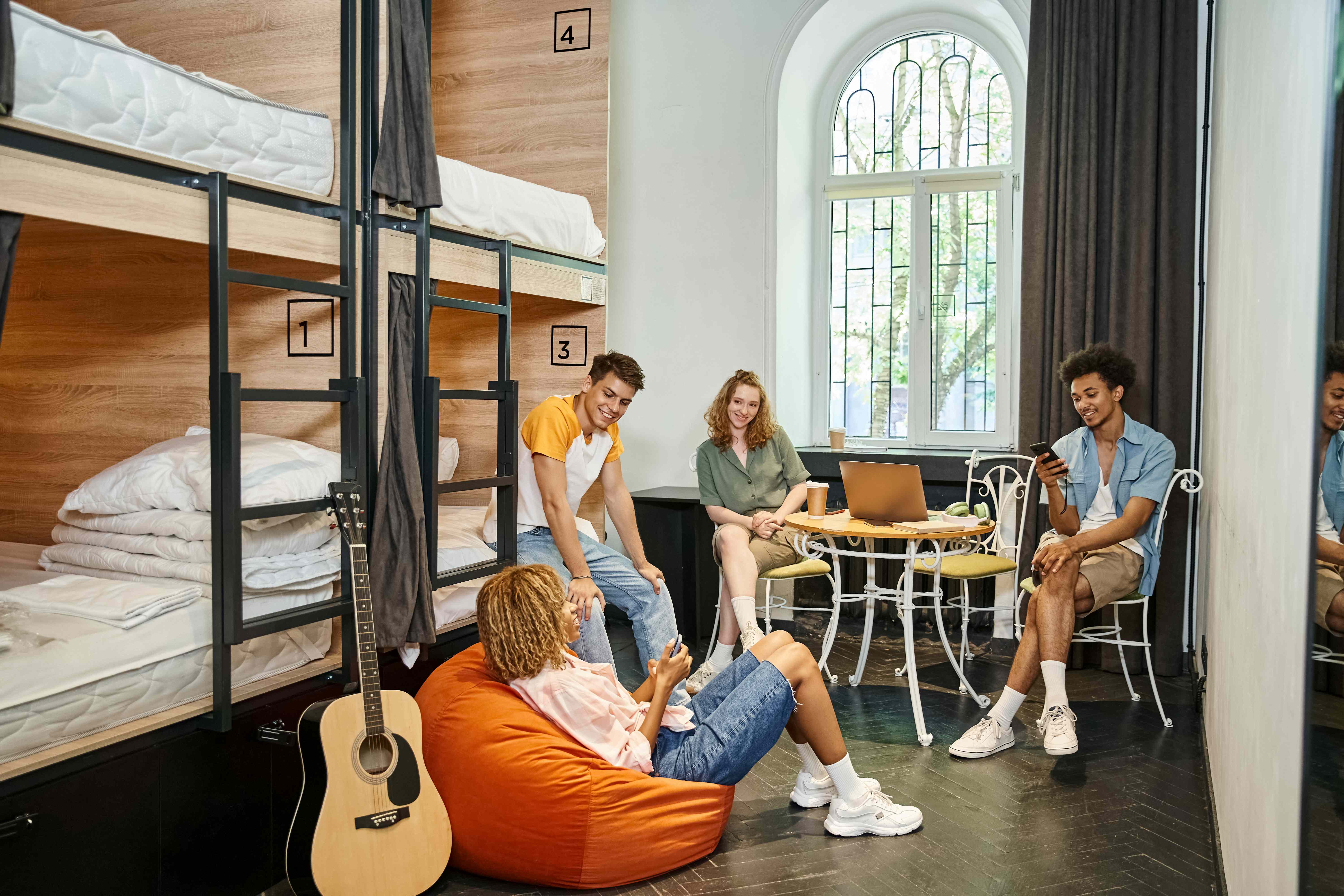
In today’s modern industrial world—especially in the mining, manufacturing, and infrastructure sectors—the need for efficient and comfortable employee housing has become a key factor in supporting productivity. One innovative solution that is increasingly popular among companies is modular employee housing, a residential system designed with a fast-build concept, cost efficiency, and flexibility to adapt to operational needs.
What Is Employee Housing (Mess Karyawan)?
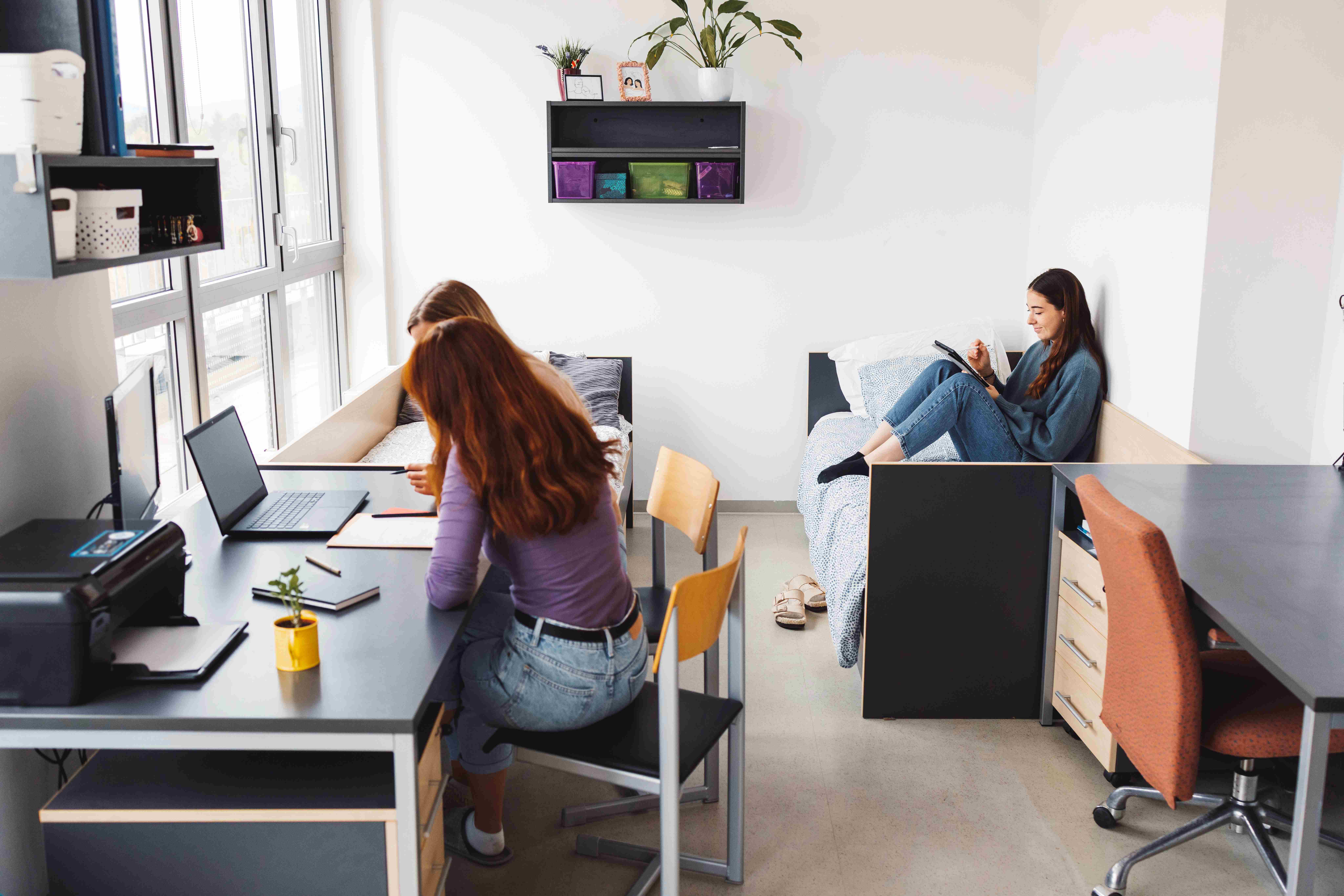
Employee housing, often referred to as a “mess,” is a temporary or permanent residential facility provided by a company for its workers, particularly those assigned far from their hometowns or in remote project locations. The main objective is to provide proper, comfortable accommodation close to the worksite, thereby improving time efficiency, productivity, and employee well-being.

Typically, employee housing includes basic facilities such as bedrooms, bathrooms, kitchens, dining areas, and common spaces. For large industrial sectors such as coal mining, construction, or plantations, the buildings may be designed to accommodate dozens or even hundreds of workers, complete with supporting facilities such as laundry rooms, prayer rooms, recreation areas, and cafeterias.
Today, many companies are turning to modular employee housing, which is built using modular or prefabricated systems. This method enables faster, more efficient construction while remaining adaptable to workforce size. With a modular concept, employee housing can be completed in a short time without compromising comfort or building quality.
Modular Employee Housing: A Smart Solution for Companies
Modular employee housing is residential accommodation for workers built using a modular system, where units or modules are manufactured in a factory and then assembled at the project site. Each module is equipped with structural components, walls, flooring, roofing, electrical systems, and plumbing installations, making it ready for use shortly after installation.
Unlike conventional construction, which may take months to complete, modular systems can finish projects within weeks. This innovation is highly suitable for companies requiring rapid housing solutions in remote project areas, such as coal mines, plantations, or newly developed industrial zones.
Advantages of Modular Employee Housing for Companies
1. Fast and Efficient Construction Process
Modular housing can be built up to 50% faster than traditional construction methods. While modules are being produced in the factory, site preparation can take place simultaneously. As a result, employees can occupy the housing sooner without disrupting the company’s operational schedule.
2. Cost-Effective Construction and Maintenance
Factory production allows for more efficient material usage and minimal waste. Strict quality control also reduces the risk of installation errors and costly repairs. In the long term, modular buildings are easier to maintain because components are standardized and can be replaced per module if needed.
3. Flexible and Expandable Design
The modular system offers high flexibility. Companies can add more modules as workforce demands increase or relocate the housing if the project moves to a different site. Designs can also be customized—from simple dormitory-style housing to more comprehensive facilities that include dining areas, prayer rooms, and recreational spaces.
4. Guaranteed Building Quality
Each module is manufactured using high-quality materials such as galvanized lightweight steel and insulated sandwich panels, which are resistant to extreme weather and harsh industrial environments like mining areas. With factory precision engineering, the structural strength and safety of the building are more consistent compared to conventional construction.
5. Environmentally Friendly
Modular construction generates significantly less waste and consumes less energy. Many modular manufacturers now use recyclable materials, aligning with corporate commitments to sustainable construction practices.
Estimated Cost of Building Modular Employee Housing
The cost of constructing modular employee housing depends on size, number of modules, specifications, and project location. Below is a general cost estimate in Indonesia:
Type of Housing | Area | Estimated Cost |
|---|---|---|
Small housing (10–20 people) | ±50–80 m² | IDR 150 million – IDR 300 million |
Medium housing (30–50 people) | ±100–150 m² | IDR 400 million – IDR 700 million |
Large housing (more than 50 people) | >150 m² | IDR 800 million – IDR 1.2 billion+ |
These costs generally include structural components, electrical installations, basic finishing, and module delivery to the project site. Compared to permanent conventional buildings, cost savings can reach 25–40%, depending on design complexity and site accessibility.
Interested in building modular employee housing? Learn more about ErgaBuilds and contact AMODA today.
Tag:


Tertarik Baca Artikel Lainnya?